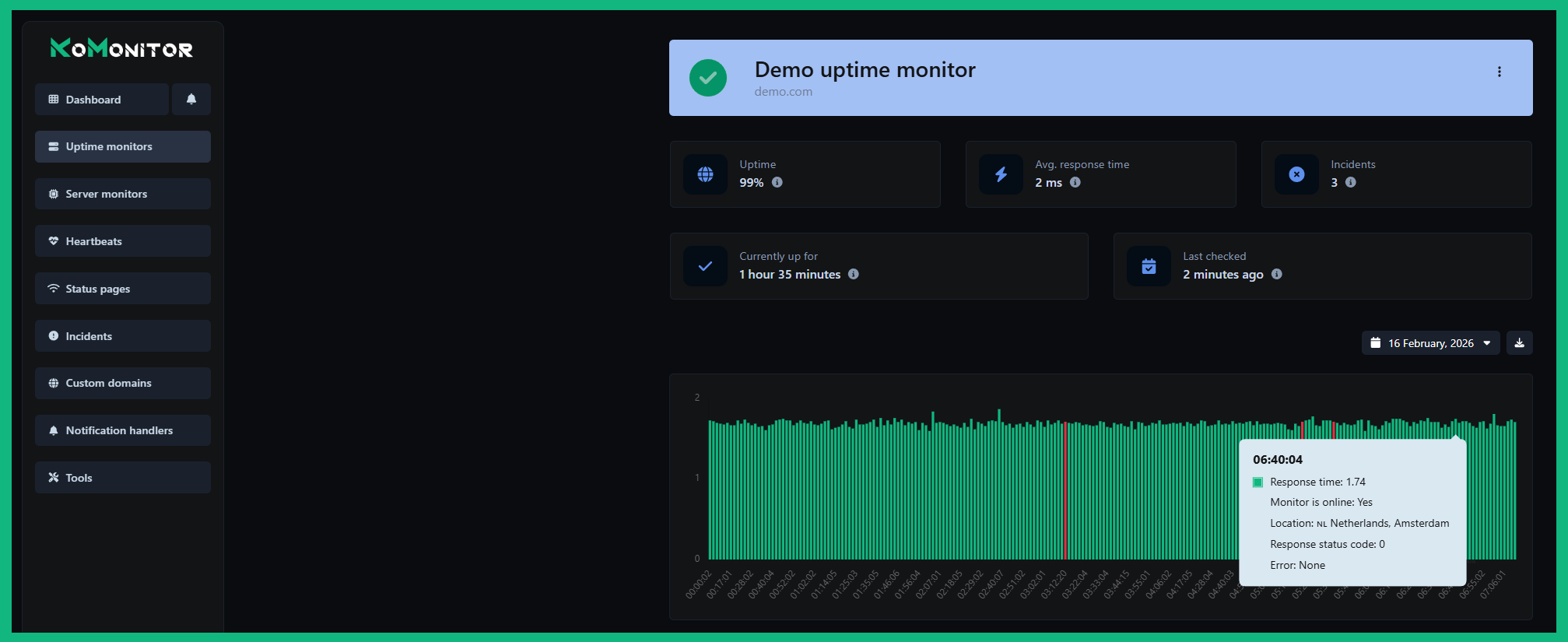
Most small businesses don’t skip monitoring on purpose.
They just assume it’s covered.
But when no one is actively watching your website, here’s what usually happens.
1. Downtime Lasts Longer Than It Should
Servers fail. Plugins break. Updates clash. Hosting environments glitch.
None of this is unusual.
What is costly is when a small issue sits there for hours — or even days — because nobody knows it’s happening.
If your website goes down at 9pm on Friday and nobody checks it until Monday morning, that’s an entire weekend of lost opportunities.
Not dramatic. Just quietly expensive.
2. You Lose Leads Without Realising
This is the part most business owners underestimate.
When your website is offline:
- Contact forms don’t submit.
- Checkout pages don’t load.
- Booking systems fail.
- Emails might stop sending.
But customers don’t usually tell you.
They just go somewhere else.
You won’t see an angry complaint. You’ll just see fewer enquiries and assume it’s a “slow week”.
3. Your Brand Takes a Subtle Hit
If someone visits your website and it doesn’t load, what does that signal?
Unreliable. Outdated. Disorganised.
Even if that’s not true.
You’ve worked hard to build trust. A broken website chips away at that in seconds.
The real issue isn’t that websites sometimes fail.
It’s that without monitoring, you’re flying blind.
You don’t know:
- When something breaks.
- How often it happens.
- How long it lasts.
- Or what it’s costing you.
And that uncertainty is the real risk.