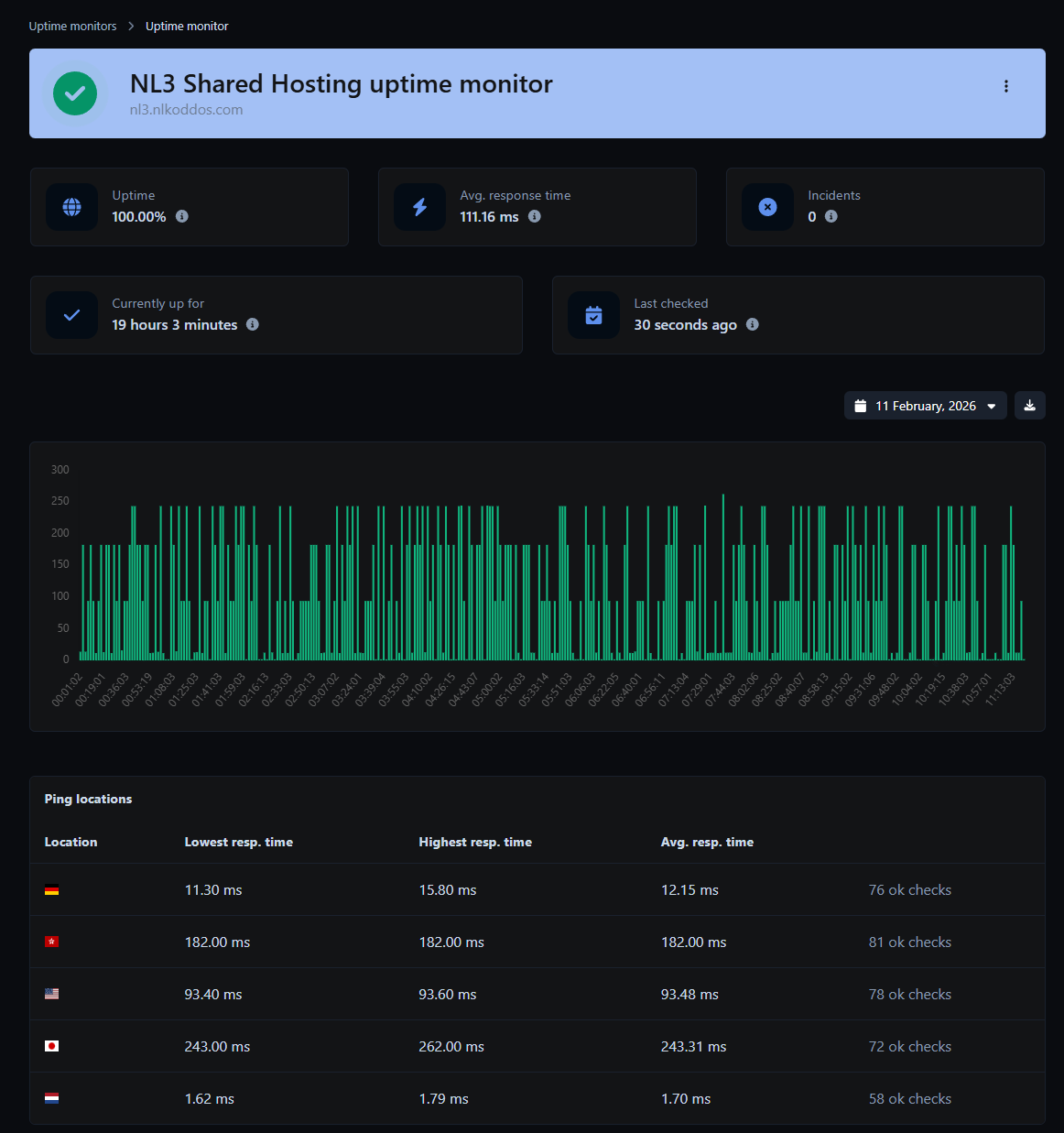
You probably don’t think about your server.
Why would you?
Your website is live. Enquiries are coming in. Everything looks fine.
Until one day, it isn’t.
A customer emails you: “I tried your website earlier — it wasn’t working.”
Your stomach drops.
How long was it down? How many enquiries did you miss? Has this happened before without you knowing?
If you’re honest, you don’t actually know what’s happening behind the scenes. You rely on your hosting company. Or your developer. Or you assume someone, somewhere, would tell you if there was a problem.
But that assumption is where most small businesses get caught out.
After managing and monitoring websites for small businesses, one thing becomes clear: downtime rarely announces itself. It happens quietly. And if no one is actively watching, you’re the last to know.
In this article, you’ll learn what website server monitoring actually is, why most small businesses misunderstand it, and how to protect your revenue without turning into a technical expert.
Let’s strip the jargon away.
Website server monitoring simply means this:
Someone — or something — is constantly checking that your website is working properly.
Not once a day. Not once a week. Constantly.
It checks whether:
- Your website loads.
- Your server is responding.
- Your site isn’t returning errors.
- Your SSL certificate hasn’t expired.
- Your emails are still functioning.
- Your site hasn’t slowed to a crawl.
If something fails, you’re alerted immediately.
That’s it.
It’s not complicated. It’s not “enterprise IT infrastructure”. It’s basic protection.
Think of it like a burglar alarm for your house. You don’t sit watching your front door all day. You install a system that tells you the moment something goes wrong.
Without monitoring, you only find out there’s a problem when:
- A customer tells you.
- You randomly check your site.
- You notice enquiries have stopped.
And by then, the damage may already be done.
Monitoring isn’t about fixing problems (although that usually follows). It’s about knowing they exist — immediately — so they can be fixed before they cost you money.